
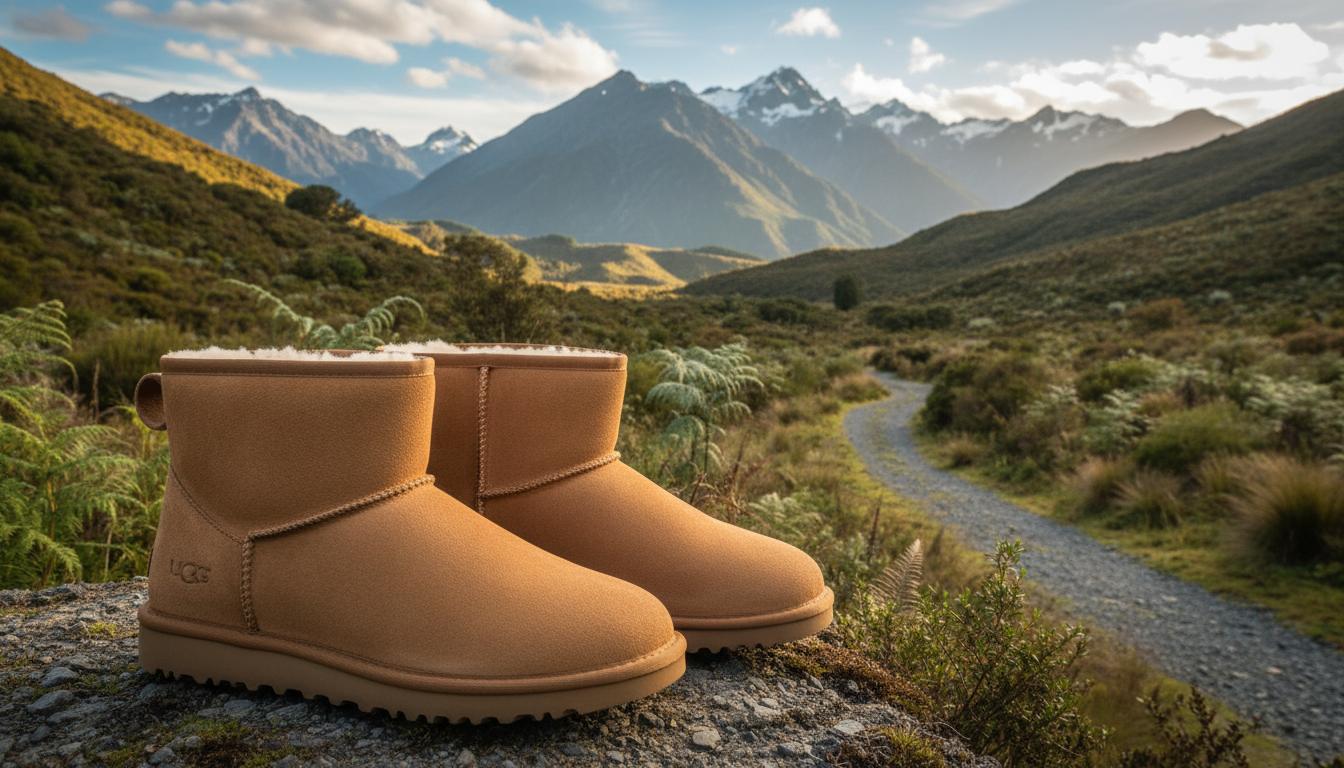
Cold southerlies. Frost on the lawn. A quick walk to the café that feels like a trek across the Southern Alps. When your feet are warm, winter in Aotearoa gets a lot kinder. That’s why ugg boots NZ shoppers hunt for every year: real, breathable warmth that doesn’t feel bulky or sweaty. This guide breaks down what ugg boots are, how they keep you warm, the types you’ll see in New Zealand, the pros and cons, how to choose the right pair, how to care for them, and answers to the most common questions.
What is
“Ugg boots” are soft, fleece-lined boots known for comfort and warmth. In New Zealand, the term is used both for the famous UGG brand and for generic sheepskin boots made by other companies. The big difference:
- UGG (uppercase) usually refers to the global brand owned by Deckers, sold by authorised retailers in NZ.
- “Ugg” as a style can also mean sheepskin boots made by various Australian or New Zealand makers, and even synthetic copies.
Most quality ugg boots use twinface sheepskin: suede on the outside, wool on the inside. Others use suede or leather outer with a separate wool or fleece lining. The result is a soft, insulating boot you can slip on without fuss.
How it works
Sheepskin is nature’s temperature manager. Each wool fibre traps tiny pockets of air that slow heat loss. That same fibre can absorb moisture vapour from your feet and release it gradually, so you feel warm without feeling wet.
- Insulation: Dense wool creates a warm microclimate around your foot.
- Moisture control: Wool draws sweat away from skin and helps it evaporate.
- Comfort: The pile gently compresses and rebounds, shaping to your foot.
- Outer: Suede or leather provides structure; some models add waterproof membranes.
- Sole: EVA or rubber cushions impact and adds grip on wet footpaths.
Key point for ugg boots NZ buyers: classic suede-and-wool boots are warm, but not rain boots. Without treatment or a waterproof construction, they can stain or stiffen in persistent wet.
Types / examples
Classic height options
- Mini/Ankle: Easy to slip on, suits leggings and jeans, great for around town.
- Short/Mid-calf: The versatile everyday pick; balances warmth and mobility.
- Tall/Knee-adjacent: Maximum coverage for frosty mornings and staying in.
Lifestyle and fashion variants
- Slippers and moccasins: Indoor comfort with hard soles for the letterbox run.
- Platform or fashion edits: Taller midsoles, bold colours, or trims.
- Lace-up or zip styles: Easier on high insteps; snug around ankles.
Weather-ready and outdoor-leaning
- Waterproof/shearling-lined boots: Sealed seams, treated leather, and grippy rubber for wet commutes.
- Hybrid sneakers: Wool-lined trainers for mild winters and travel.
Who they’re for
- Women’s: Broadest range of heights, colours, and trims.
- Men’s: Wider lasts, supportive soles, muted colours.
- Kids: Pull-on ease; look for reinforced toes and scuff-resistant suede.
If you’re browsing ugg boots NZ stores, you’ll see all of the above across branded UGG, NZ-made sheepskin labels, and budget synthetics. Materials and build quality are what separate them.
Pros and cons
Pros
- Serious warmth without heavy socks
- Breathable comfort; less clammy than many synthetic-lined boots
- Easy on, easy off; ideal for work-from-home and quick errands
- Versatile: slippers for indoors, weatherised models for street wear
- Repairable elements on some models (insoles, outsoles)
Cons
- Classic suede styles are not made for heavy rain
- Salt and puddle stains need quick care
- Softer structure offers less ankle support than hiking boots
- Sheepskin stretches; poor fit can feel sloppy over time
- Natural materials mean higher price than synthetics
How to use or choose
Fit and sizing in New Zealand
- Snug, not tight: Wool packs down; a close initial fit is normal.
- Between sizes: Many buyers size down in roomy, classic styles.
- Check the brand’s size chart: NZ stock often uses US sizing for men and women.
- High insteps or wide feet: Look for zip or lace styles, wider lasts, or removable insoles.
Materials and build
- Twinface sheepskin: Warmest “classic” feel; soft and flexible.
- Suede + wool lining: A little more structure; often better durability.
- Leather + membrane: Best for wet days; pair with a lugged rubber sole.
- Rubber vs EVA sole: Rubber grips better in the rain; EVA is lighter and cushier.
Weather reality check for NZ
- Wellington wind and showers: Choose treated suede or waterproof leather with a treaded sole.
- South Island frosts: Taller shafts and thicker wool help, plus a water repellent spray.
- Auckland drizzle: Short or mini styles work if you keep to covered paths.
Durability and ethics
- Look for reinforced heel counters and stitched (not just glued) seams.
- Ask about leather tanning standards and wool sourcing (e.g., LWG-rated tanneries, RWS-certified wool).
- Removable insoles extend life and improve hygiene.
Price and value
- Genuine sheepskin costs more than synthetics but lasts longer with care.
- Factor in a care kit (protector spray, cleaner, suede brush) from day one.
- Buying within NZ means GST included, simple returns, and faster warranty service.
Comparison: choosing ugg boots in NZ
| Feature | Genuine UGG (brand) | NZ-made sheepskin boots | Synthetic lookalikes |
|---|---|---|---|
| Outer/lining | Twinface sheepskin or leather + shearling | Often twinface NZ/AU sheepskin | Polyester fleece + faux suede |
| Warmth | High | High | Medium |
| Water handling | Classic needs spray; some waterproof lines | Needs spray; some treated options | Resists light splashes, but poor breathability |
| Sole | EVA or rubber, brand-specific treads | EVA or rubber; varies by maker | Basic EVA; minimal grip |
| Durability | Strong if cared for | Strong if cared for | Lower; prone to matting and wear |
| Price (NZD) | $$$ | $$–$$$ | $ |
| Best for | Daily wear, reliable quality, warranties | Local materials, traditional build | Short-term or budget use |
Step-by-step: protect and clean your ugg boots
- Brush first: Use a suede brush to lift nap and remove surface dust.
- Protect: Lightly spray a suede/wool-safe water repellent. Let dry 24 hours.
- Spot clean: Dab stains with a damp sponge and a drop of sheepskin cleaner. Blot; don’t rub.
- Refresh inside: Sprinkle a little baking soda inside, leave overnight, tip out.
- Dry right: Stuff with paper, keep away from heaters and direct sun.
- Restore the nap: Once dry, brush gently to bring back the suede texture.
- Repeat protection: Re-spray after cleaning or every few weeks in wet months.
Quick buying checklist for ugg boots NZ
- Weather: Classic suede for mostly dry days; waterproof leather for frequent rain.
- Use: Slippers for home, mid-calf for errands, lugged soles for slick pavements.
- Fit: Close at first; ensure toes lie flat and heel doesn’t lift.
- Build: Check seams, heel counter firmness, and sole grip pattern.
- Seller: NZ-based customer service, clear return policy, and warranty info.
FAQ
Are ugg boots good for New Zealand rain?
Classic suede-and-sheepskin boots handle light mist if protected, but they’re not for downpours. For wet commutes, choose a weatherised or waterproof leather style with sealed seams and a rubber sole.
Can I wear ugg boots without socks?
Yes. Wool wicks moisture, so many people go sockless. If you prefer socks, choose thin, breathable merino to keep the fit close and comfortable.
How should ugg boots fit at first?
Snug through the foot, with toes lying flat and not curled. Wool will compress and the suede can relax a little, so a slightly close fit on day one is normal.
How do I stop water stains?
Spray with a suede-safe protector before first wear and after cleaning. If stains happen, blot with a damp sponge and cleaner, then dry slowly away from heat. Finish by brushing the suede.
What’s the difference between UGG brand and generic ugg boots in NZ?
UGG is a registered brand sold by authorised retailers with brand-specific materials and warranties. Generic ugg boots describe the style and can vary widely in sheepskin quality and build. Check materials, construction, and the seller’s support.
Do ugg boots work in the South Island cold?
Yes. Choose thicker wool, taller shafts, and, if you’re outside a lot, a rubber outsole with grip. Add a protector spray to handle frosty mornings and damp footpaths.
How do I tell real sheepskin from synthetic?
- Look: Real wool fibres vary in length and curl; synthetics look uniform.
- Feel: Sheepskin is springy and warm to the touch; synthetics feel slick or plasticky.
- Backside: Real twinface has suede on the reverse; synthetics have fabric backing.
What size should I order in NZ?
Most listings in New Zealand use US sizing. Many classic sheepskin styles feel roomy; if between sizes, consider going down half to one size. Always check the brand’s chart and insole length.
Can I wear ugg boots for driving?
Yes, as long as the sole grips and the boot doesn’t restrict ankle movement. Minis and short styles are easier for pedals than tall or very soft shafts.
How long do ugg boots last?
With regular brushing, protector spray, and careful drying, quality sheepskin boots can serve for several winters. High-mileage street use in wet weather will shorten their life unless you choose weatherised models.
Are they ethical or sustainable?
Sheepskin is a byproduct of the meat industry. Look for brands stating wool origin, animal welfare commitments, and tanning standards (such as LWG-rated). If you want vegan options, choose synthetic insulated boots, noting they breathe less.
What about returns and warranties in NZ?
Buying from NZ-based retailers simplifies returns and warranty claims and includes GST in the price. Check return windows, condition requirements (try-on indoors), and who covers return shipping.
Bottom line
For ugg boots NZ buyers, the winning formula is simple: choose real sheepskin or weatherised leather for your climate, get a snug first fit, protect them before you step outside, and treat them kindly after rain. Do that, and your feet will stay warm and happy from June’s first frost to the last chilly morning of spring.