
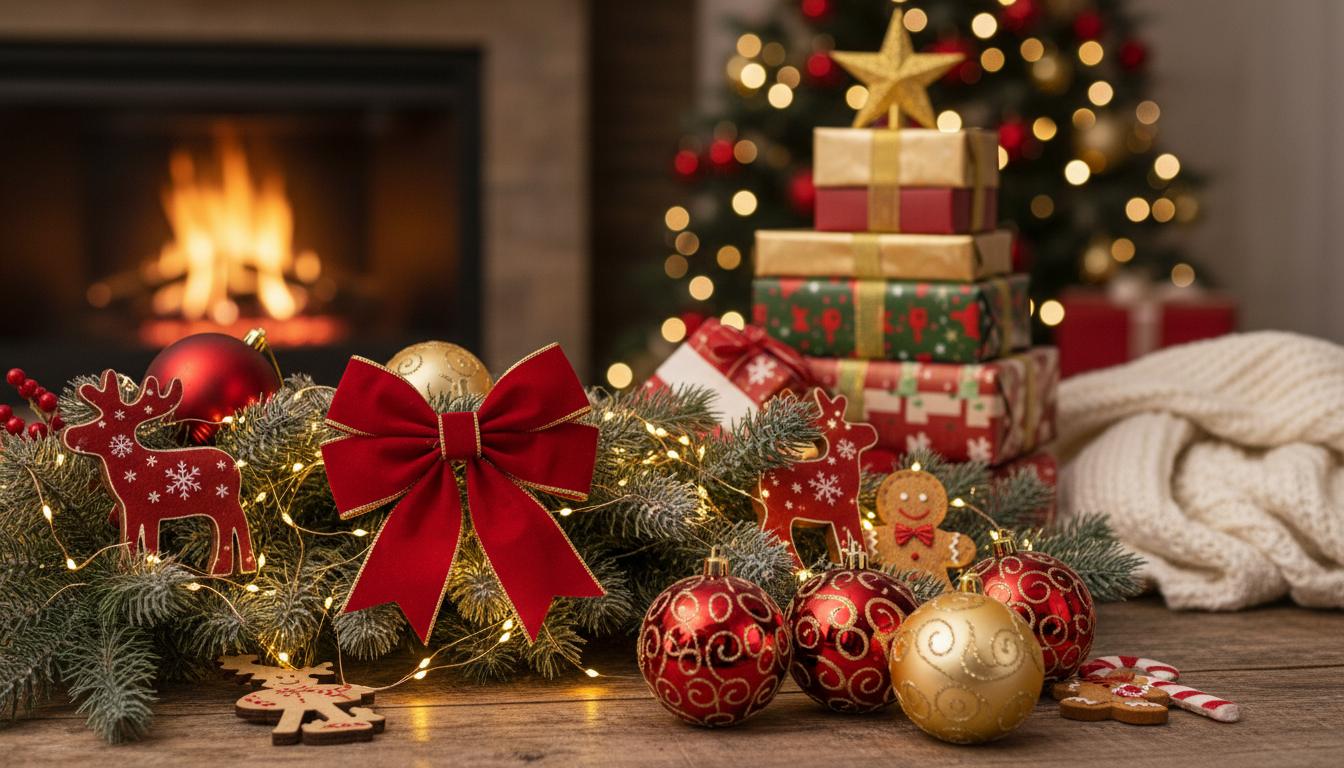
Christmas in Aotearoa looks different: long golden evenings, pōhutukawa blazing red, kids on the lawn, and the barbecue humming. Your christmas decorations should match that energy—light, fresh, and built for summer living. This guide covers what christmas decorations are in a New Zealand context, how to make them work in our climate, the best types to consider, what to avoid, how to choose or use them well, and quick answers to the questions people ask every year.
What is
Christmas decorations are the ornaments, lights, trees, displays, and table settings we use to create a festive atmosphere through December. In New Zealand, they blend Northern Hemisphere traditions with local flavour—think pōhutukawa and fern wreaths, pāua shell baubles, driftwood trees, and outdoor fairy lights strung for warm nights.
They serve three jobs: signal the season, make gatherings feel special, and create small rituals for families and flatmates. Because our Christmas happens in summer, outdoor zones often get as much attention as lounges and dining tables.
Good christmas decorations here are practical: safe in the sun, stable in wind, suitable for rentals, and not a power-hog. They’re also increasingly sustainable—reusable, recyclable, or made from natural materials that suit our coastal and bush settings.
How it works
Design basics that do the heavy lifting
Start with a focal point (tree, mantle, or front door), then layer around it. Use three to four colours max for cohesion—greens, whites, and touches of red or pōhutukawa tones feel local without shouting. Repeat textures (natural linen, wood, glass) so the eye rests. In open-plan Kiwi homes, carry the palette from tree to table to deck so everything feels connected.
Lighting that earns its keep
LED is the standard: cool running, low energy, and bright even at dusk. Warm white (2700–3000K) feels cosy; cool white (4000K+) is crisper outdoors. For gardens and fences, solar strings or nets avoid cables and work with our long daylight hours. If you’re using mains-powered lights outside, choose an IP44 or higher rating and a product compliant with Australian/New Zealand standards (look for the RCM mark). Use an outdoor-rated timer or smart plug to automate.
Safety and setup in local conditions
- Outdoors: choose IP-rated lights and weatherproof connections. Keep plugs off the ground and protected from rain.
- Power: prefer low-voltage sets with a transformer. If using outdoor sockets, protect the circuit with an RCD.
- Heat and sun: avoid placing candles or batteries in direct sun; keep fabrics away from heat sources like BBQs and patio heaters.
- Rentals: use removable hooks or adhesive clips; avoid nails and staples on eaves or fences.
Flow for summer living
Plan day-to-night use. During sunny afternoons, rely on natural textures, garlands, and table centrepieces. After dusk, let lighting carry the mood—fairy lights along fences, lanterns on the deck, a soft glow from the tree by the ranch slider.
Types / examples
Christmas trees
- Real trees: Commonly Monterey pine (radiata) sold at local farms and pop-ups. They smell great and bring instant tradition.
- Artificial trees: Convenient, reusable, and kinder to allergies. Slim or half-trees suit small lounges and apartments.
- Alternative trees: Driftwood ladders, wall-hung branches, or wooden triangles for minimalist spaces or beach baches.
Lights
- LED strings and micro fairy lights for trees, windows, and shelves.
- Solar nets and rope lights for hedges, decks, and fences.
- Projectors and festoon lights for quick outdoor impact on long evenings.
Wreaths and garlands
- Pōhutukawa, eucalyptus, or native-inspired wreaths for a distinctly Kiwi look.
- Garlands for mantles, stair rails, and table runners—mix foliage with subtle ornaments, not clutter.
Ornaments and accents
- Kiwiana baubles: kiwi birds, tui, pāua shell, silver fern, and jandals for fun.
- Natural elements: cones, dried citrus, flax ribbon, shells from a beach walk (cleaned and dry).
- Stockings: personalised but airy fabrics like cotton or linen suit summer.
Table and entertaining
- Lightweight runners, native greenery, candles in hurricane holders (or LED candles outdoors).
- Name cards clipped to small ornaments or shells—easy, reusable, and not fussy.
- Serveware in white or pale wood, with pops of pōhutukawa red.
DIY and upcycled
- Paper stars from brown paper bags or maps for a coastal feel.
- Jar lanterns with LED tealights for safe glow on the deck.
- Old baubles refreshed with test pots of paint in your palette.
Pros and cons
Choosing lights for New Zealand conditions
| Type | Pros | Cons | Best for |
|---|---|---|---|
| LED (plug-in) | Very low energy, bright, long life, many styles | Needs safe power points; outdoor use requires IP-rated sets | Indoor trees, windows, consistent nightly displays |
| Solar LED | No cabling to house power, automatic dusk start, safe outdoors | Brightness depends on sun; batteries wear over time | Fences, hedges, rentals, decks without sockets |
| Incandescent | Warm glow some people love | High energy use, hotter to touch, shorter life | Legacy sets only—generally not recommended now |
Real vs artificial trees at a glance
- Real: natural scent, compostable, supports local growers; needs water, can drop needles, attracts heat and sun.
- Artificial: reusable for years, no watering, predictable shape; storage space needed, look varies by quality.
How to use or choose
Step-by-step: plan and install christmas decorations that work in summer
- Map your zones: entry, tree corner, dining table, and outdoor area. Pick one hero zone.
- Choose a colour story: two mains + one accent (e.g., eucalyptus green, linen white, pōhutukawa red).
- Audit what you own: test lights, sort ornaments, repair or donate before buying.
- Select the tree type and size: measure ceiling height and floor space; allow 15–30 cm clearance on top.
- Pick lighting: warm white indoors; solar or IP44+ outdoors. Add a timer or smart plug.
- Layer décor: tree first, then garlands and wreaths, then table and small accents. Stop before it feels crowded.
- Secure and protect: use removable hooks, weatherproof joins, and an RCD for outdoor circuits.
- Test at dusk: adjust brightness, remove glare, and fix dark patches.
- Tidy cables: tape or clip along skirting; keep walkways clear.
- Set a schedule: lights on from dusk to bedtime; save power overnight.
Picking the right pieces for Kiwi homes
- Small spaces and apartments: slim trees, wall-hung branches, micro lights in glass vases, and a strong table centrepiece.
- Family homes: shatter-resistant ornaments, stable tree bases, and cord covers for high-traffic areas.
- Baches and rentals: solar lights, lightweight garlands, and décor that packs flat.
- Wind-prone areas: wire garlands tightly, use cable ties outdoors, and keep tall inflatables sheltered.
Quality and safety checklist
- Look for the RCM compliance mark on electrical products sold in NZ.
- Outdoor lights should be IP44 or higher and labelled for exterior use.
- Prefer low-voltage sets with a certified transformer; avoid mixing old and new light strings.
- Water real trees daily and keep away from heat sources; use LED candles where possible.
Budget and sustainability
- Buy fewer, better items you’ll use for years; refresh with ribbons or foliage rather than more plastic.
- Choose rechargeable batteries and dim or timer modes to cut power use.
- Compost real trees or use council green waste; take dead light strings to e-waste drop-offs.
Where Kiwis commonly shop
Big-box stores, garden centres, homeware chains, and local makers’ markets all stock christmas decorations. Compare in-store quality to online photos, and check return policies for lights and electrical items.
FAQ
When do people in New Zealand usually put up christmas decorations?
Anytime from late November. Many Kiwis decorate around the first weekend of December or after school finishes to catch the full month of summer evenings.
How many lights do I need for my tree?
As a guide, use 100–150 LEDs per metre of tree height for a balanced look. A 2.1 m tree usually looks good with 300–450 LEDs, more if you like a dense sparkle.
Are solar lights bright enough for outdoor christmas decorations?
Yes, if they get full sun. Place panels north-facing, free from shade, and choose quality sets with replaceable rechargeable batteries. Expect softer light after cloudy days.
What IP rating should outdoor lights have?
IP44 or higher is recommended for rain-exposed areas. Keep all plugs and controllers protected from direct weather and off the ground.
How do I keep a real tree fresh in summer?
Cut 1–2 cm off the base, place it in water immediately, and top up daily. Keep it away from sun and heat sources. Use LED lights that run cool.
Are LEDs cheaper to run than old incandescent lights?
Yes. LEDs use a fraction of the power. To estimate cost: watts × hours ÷ 1000 × kWh price. A 5 W LED string for 6 hours uses 0.03 kWh per night.
What colours suit a Kiwi summer Christmas?
Greens, whites, and pōhutukawa reds are timeless. Eucalyptus tones, flax, and natural wood add a relaxed coastal feel. Metallics in small doses lift the look without heat.
Can I hang lights on a rental without damage?
Use removable adhesive hooks, gutter clips, cable ties on railings, and free-standing features like potted trees and floor lanterns. Avoid nails or staples.
How do I dispose of old christmas decorations?
Real trees can go to green waste or be chipped for mulch. Donate usable ornaments. Take broken light sets and electronics to e-waste recycling—don’t bin them.
What’s a simple way to add local flavour?
Use native-inspired wreaths, pāua or fern motifs, pōhutukawa sprigs on the table, and a “Meri Kirihimete” sign at the door.
How it works (quick recap)
Effective christmas decorations in New Zealand balance design, durability, and safety for a summer climate. Pick a clear palette, anchor one focal point, light for long evenings, and secure everything for wind and weather. Keep power use low with LEDs and timers, and let local textures and colours do the talking.