
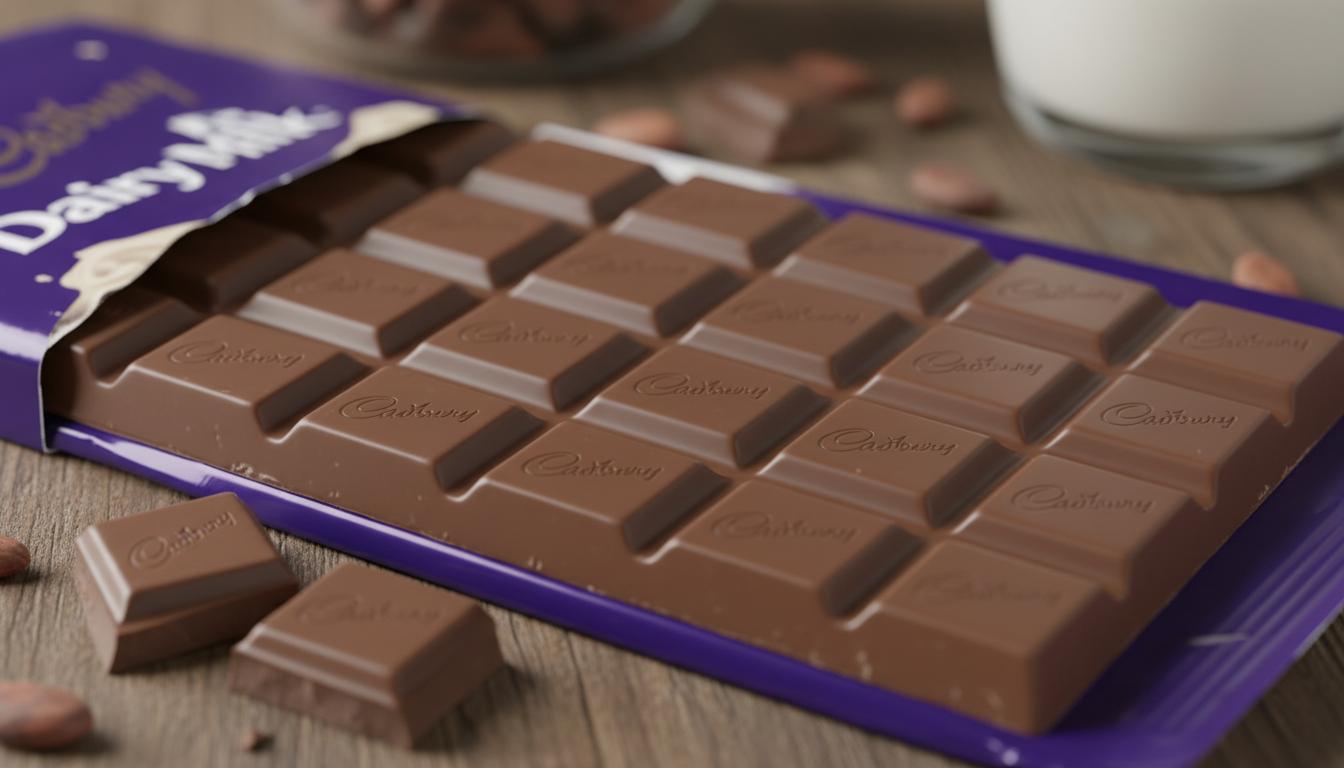
Cadbury chocolate has been part of Kiwi life for generations—from family blocks on the coffee table to Creme Eggs at Easter and a Moro in the glovebox on long drives. This guide cuts through the noise. You’ll get clear answers on what cadbury chocolate is today in Aotearoa, how it’s made, the types you’ll find on shelves, the pros and cons, and how to pick the right block or bar for your taste and diet.
What is
Cadbury chocolate is a range of confectionery products—blocks, bars, boxed assortments, baking chocolate, and drinking chocolate—sold under the Cadbury brand, owned by Mondelēz International. In New Zealand, cadbury chocolate is widely available in supermarkets, dairies, service stations, and online retailers.
Key points for New Zealand shoppers:
- Most cadbury chocolate for the NZ market is made in Australia. The former Dunedin factory closed in 2018, and production for NZ largely shifted across the Tasman.
- The flagship recipe, Cadbury Dairy Milk, uses a “chocolate crumb” process with fresh milk, which helps create its familiar creamy taste.
- Cadbury sources cocoa through its Cocoa Life sustainability program, which aims to support farmers, improve livelihoods, and promote sustainable practices across key cocoa-growing regions.
- Kiwis can find classic flavours (Dairy Milk, Fruit & Nut), local favourites (Black Forest, Top Deck), new twists (Caramilk), and seasonal lines (Cadbury Creme Egg) throughout the year.
How it works
At a high level, chocolate is the result of careful steps from bean to bar. Cadbury follows the global best-practice flow, with a couple of brand-specific twists:
- Cocoa sourcing: Beans are grown in tropical regions, harvested, fermented, and dried near origin. Through Cocoa Life, Cadbury works with partners and communities to improve yields and farmer income, and to help prevent deforestation.
- Roasting and grinding: Beans are roasted to develop flavour, then cracked and ground into cocoa mass. This is where chocolate’s deep aromas begin to bloom.
- The crumb method: For Cadbury Dairy Milk, sugar, fresh liquid milk, and cocoa liquor are mixed and dried into “crumb.” This preserves dairy notes and creates the signature creamy profile when later conched and refined.
- Conching and refining: The mixture is smoothed and aerated, reducing acidity and building a consistent texture.
- Tempering and moulding: The chocolate is precisely cooled and reheated to align cocoa butter crystals, giving a glossy snap and stable finish, then poured into moulds or used to enrobe fillings.
- Quality checks: Taste panels and lab testing keep flavour and texture within tight targets so a Dairy Milk block in Auckland tastes like one in Wellington.
For New Zealand, cadbury chocolate typically ships from Australian factories, with logistics designed to protect temperature and freshness. Retailers rotate stock quickly, especially on high-turnover lines like 180–190 g blocks and multi-buy bar packs.
Types / examples
You’ll usually find cadbury chocolate grouped in a few familiar families. Here’s a quick map of what’s in the aisle.
Blocks (the shareables)
- Dairy Milk: The classic creamy milk chocolate—smooth, sweet, and easy to love.
- Top Deck: Milk chocolate base capped with a layer of white chocolate—two textures in one bite.
- Black Forest: Chocolate with cherry-flavoured jellies and biscuit pieces—crunch, chew, and chocolate all together.
- Fruit & Nut: Raisins and almonds in milk chocolate—a nostalgic crowd-pleaser.
- Turkish Delight: Rose-flavoured jellies inside milk chocolate—distinctive and fragrant.
- Caramilk: Caramelised white chocolate—sweet, toasty, and famously polarising. Its comeback in NZ sparked real buzz.
Bars (on-the-go)
- Moro: Nougat and caramel covered in chocolate—a Kiwi staple for energy dips.
- Crunchie: Honeycomb toffee with a brittle, bubbly bite.
- Picnic: Peanuts, wafer, caramel, and chocolate—textural chaos in a good way.
- Twirl/Flake: Delicate, layered chocolate strands—airy and melty.
Boxed and seasonal
- Roses: Mixed chocolate assortment, a go-to for gifting and office treats.
- Cadbury Creme Egg and Marshmallow Eggs: Easter favourites that move fast when they land.
Baking and drinking
- Cadbury Baking Chocolate and chocolate chips: Milk, dark, and white options for brownies, biscuits, and slices.
- Cadbury Drinking Chocolate: Pantry classic for hot chocolates and mochas.
Quick comparison of popular Cadbury blocks in NZ
| Block | Flavour profile | Texture | Best for | Notes for NZ fans |
|---|---|---|---|---|
| Dairy Milk | Creamy, sweet milk chocolate | Smooth and melty | Everyday snacking, sharing | Baseline flavour to compare others against |
| Top Deck | Milk chocolate + vanilla white chocolate | Soft bite with a layered finish | Mixed palates in the house | Good compromise for white chocolate fans |
| Black Forest | Chocolate, cherry notes, biscuit crunch | Chewy jellies, crisp bits | Texture seekers | Distinct “Kiwi classic” vibe |
| Fruit & Nut | Sweet raisins, roast almond character | Chewy fruit, crunchy nut | After-dinner nibble | Pairs well with a cuppa or cheese board |
| Caramilk | Caramelised, toffee-like sweetness | Silky, rich | Dessert-style treats | Limited runs created hype; now easier to find |
Pros and cons
Pros
- Reliable taste: Cadbury Dairy Milk’s crumb method delivers a familiar creamy profile many Kiwis grew up with.
- Huge range: From simple milk chocolate to layered textures and limited editions, there’s variety for every mood.
- Easy to find: Countdown, New World, PAK’nSAVE, dairies, and service stations stock core lines year-round.
- Gifting options: Roses and seasonal assortments are safe picks for birthdays, work shouts, and holidays.
- Sustainability program: Cocoa Life supports cocoa communities and aims to make sourcing more resilient.
Cons
- Ingredient sensitivities: Many products contain dairy and soy; some variants include wheat or nuts. Cross-contact is possible—labels matter.
- Sweetness level: Cadbury’s house style skews sweeter than some craft or high-cocoa European bars.
- Palm oil in fillings: While Dairy Milk bars no longer use palm oil in the core recipe, some filled or novelty products may include palm ingredients. Mondelēz states it uses RSPO-certified palm oil.
- Local production: Since Dunedin’s closure, most NZ stock is imported from Australia, which some shoppers factor into their choices.
How to use or choose
Step-by-step: Pick the right cadbury chocolate for you
- Decide the moment: Quick snack, family dessert, road trip, or a gift? The occasion sets the format—bar, block, or box.
- Choose your base: Prefer classic milk (Dairy Milk), extra sweet (Caramilk), or darker notes (look for higher cocoa “old gold” style options where stocked)?
- Pick your texture: Smooth (Dairy Milk, Top Deck), crunchy (Fruit & Nut, Crunchie-filled bars), or mixed (Black Forest, Picnic).
- Scan the label: If you’re coeliac, vegan, halal, or nut-averse, check ingredients and any “may contain” warnings every time—recipes can change.
- Consider pairings: Coffee loves Dairy Milk; black tea suits Fruit & Nut; a not-too-tannic red can flatter Caramilk’s sweetness.
- Buy the right size: 45–60 g bars for portion control; 180–190 g blocks for sharing; larger blocks or multi-packs for parties.
- Store smart: Keep below 20°C if you can. A cool cupboard beats the fridge; if it’s a scorcher, seal tightly before refrigerating to avoid odours and sugar bloom.
Serving and pairing tips
- Room temperature is best for flavour. Cold dulls aromas; let chilled chocolate sit a few minutes before serving.
- Contrast textures in a platter: combine Dairy Milk squares with salted nuts, dried apricots, and plain crackers.
- Use small pieces in baking: Chop a Caramilk block into chunks for cookies; fold Flake shards over ice cream just before serving.
- Hot chocolate upgrade: Whisk Cadbury Drinking Chocolate with a pinch of cinnamon and a splash of vanilla for café-level comfort at home.
FAQ
Is cadbury chocolate still made in New Zealand?
No. The Dunedin factory closed in 2018. Most cadbury chocolate for New Zealand is produced in Australia, then shipped here. Some speciality items may come from other countries within the Mondelēz network.
Does cadbury chocolate contain palm oil?
Cadbury Dairy Milk blocks in our region do not use palm oil in the core chocolate recipe. However, certain filled or novelty products may include palm-derived ingredients. Mondelēz states that any palm oil it uses is RSPO-certified. Always check the ingredient list on the pack you’re buying.
Is cadbury chocolate fair trade?
Cadbury moved from Fairtrade certification to its own Cocoa Life sustainability program. Cocoa Life focuses on farmer livelihoods, women’s empowerment, and environmental protection in cocoa communities, and is independently verified. You’ll find the Cocoa Life logo on many cadbury chocolate packs.
Which cadbury chocolate is gluten-free?
Plain dairy milk chocolate may be gluten-free by ingredient, but manufacturing lines can handle products with wheat. For coeliac-safe choices, look for a clear “gluten free” statement on the packaging. Flavoured blocks and bars often include wheat or biscuit pieces, so check every time.
Are there vegan cadbury chocolate options in New Zealand?
Most cadbury chocolate contains milk. Cadbury has launched dairy-free Plant Bars in some markets; availability in New Zealand can vary by retailer and season. Read labels closely and confirm “vegan” claims on pack before purchasing.
Is cadbury chocolate halal or kosher?
Some products may carry halal or kosher certification depending on the production site and recipe. Certifications can change, so rely on current pack labelling rather than memory.
Why does cadbury chocolate taste different in different countries?
Local tastes, milk sources, cocoa blends, and even sugar types influence flavour. Recipe tweaks for texture, sweetness, and melt rate can create noticeable differences between regions. That’s why a UK Dairy Milk can taste different from one sold in New Zealand.
How long does cadbury chocolate last and how should I store it?
Unopened blocks usually carry a best-before date 9–18 months from production, depending on the product. Store in a cool, dry place away from sunlight and strong odours. If you must refrigerate during summer, seal tightly and let it come back to room temperature before serving to reduce sugar bloom.
Where can I buy cadbury chocolate in New Zealand?
Major supermarkets (Countdown, New World, PAK’nSAVE), dairies, service stations, The Warehouse, and online grocery sites stock core ranges. Limited editions and seasonal items arrive in bursts; if you see a flavour you love, don’t wait too long.
Final tips for New Zealand shoppers
Cadbury chocolate earns its spot in Kiwi cupboards by being consistent, accessible, and easy to share. If you like it creamy and classic, start with Dairy Milk. If you want texture, Black Forest or Fruit & Nut will keep your hands busy. Sweet tooth? Caramilk turns dessert into a square. Whatever you choose, read labels if you have dietary needs, store it cool, and serve at room temperature. Simple steps—better chocolate moments.