
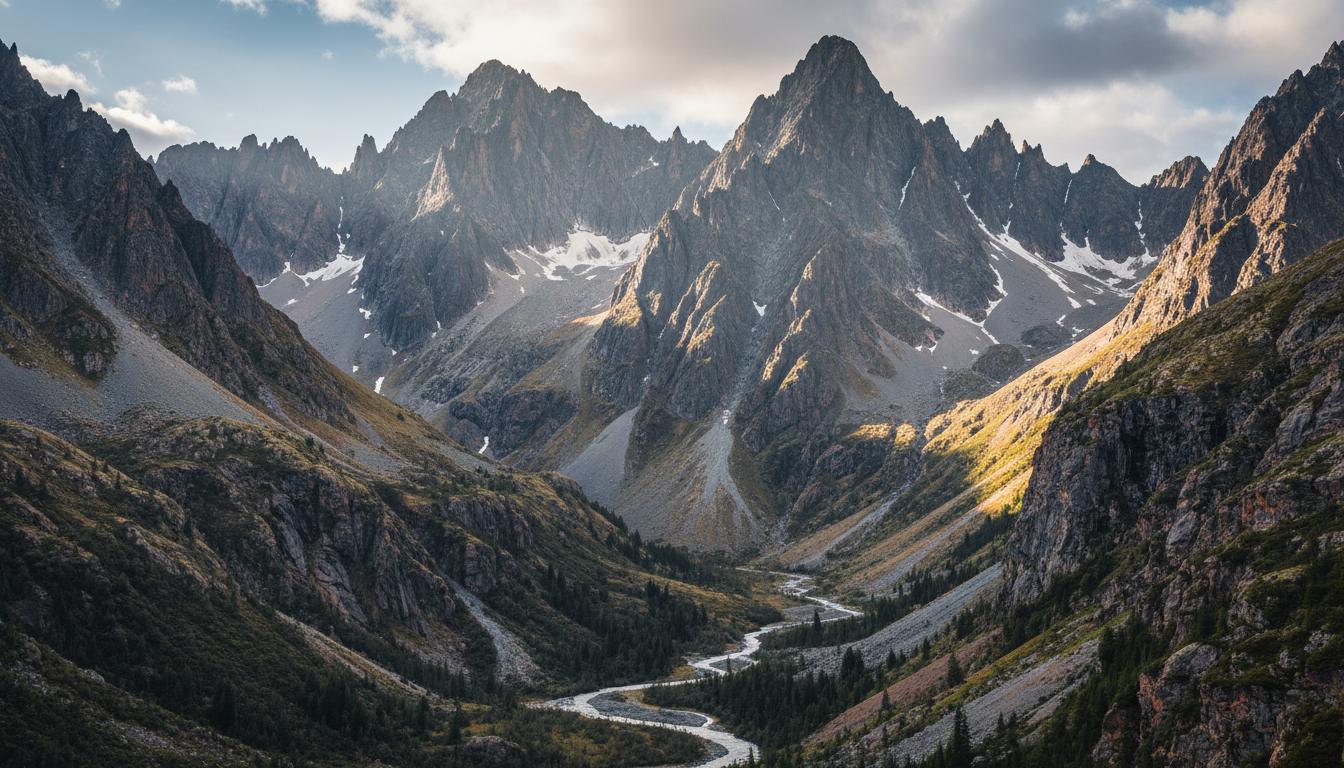
Craggy Range sits at the base of Te Mata Peak, looks out across the Tukituki Valley, and turns New Zealand’s landscapes into bottles of character. If you care about Hawke’s Bay reds, Martinborough Pinot, or just want a cellar-door day that feels special without fuss, craggy range is a name to learn. This guide explains what it is, how it works, what to try, how to choose, and the trade-offs to know before you buy.
What is
Craggy Range is a family-owned New Zealand winery known for single-site, terroir-driven wines. The estate’s heart is in Havelock North, Hawke’s Bay, with a striking winery complex, a well-regarded restaurant, and on-site accommodation. The team farms and sources grapes from two main regions:
- Hawke’s Bay: especially the warm, stony Gimblett Gravels for Syrah and Bordeaux-style reds, and coastal sites near Te Awanga for Chardonnay.
- Martinborough: the cooler Te Muna Road Vineyard for Pinot Noir and Sauvignon Blanc with lift and precision.
Craggy Range focuses on expressing place: vineyard first, variety second, winemaking in support. The result is a stable line-up of wines from specific sites, released every vintage, alongside flagship bottlings that New Zealanders regularly see on top restaurant lists and in serious cellars.
How it works
Vineyards and farming
The engine room is site selection. In Hawke’s Bay, the Gimblett Gravels’ old river stones hold heat and drain freely, pushing vines to work and concentrating flavour—ideal for Syrah and Merlot/Cabernet blends. Down the coast, sea breezes at Te Awanga keep Chardonnay tight and saline. Further south, Te Muna Road near Martinborough is cooler with complex soils that suit Pinot Noir and Sauvignon Blanc.
Craggy Range farms with a long-term lens: careful canopy work, low to moderate yields, and attention to soil health. The winery participates in Sustainable Winegrowing New Zealand (SWNZ) programmes and leans on selective hand harvesting for top wines so only the right fruit makes it to the press.
In the winery
- Small-lot ferments keep parcels separate so the final blend can reflect the site, not a one-size recipe.
- Oak use is measured: French barrels for structure and texture, more new wood on cellar-worthy reds, less on fresher styles.
- White wines focus on clarity and energy; reds aim for ripe tannins and detail without heaviness.
The approach is modern and precise rather than rustic. If the vineyard is the headline act, the cellar is the sound engineer—making sure the message is clear.
Visiting and buying
- Cellar door: tastings at the Havelock North winery with flights that usually include Hawke’s Bay and Martinborough wines.
- Restaurant: seasonal menus built around local produce; bookings recommended, especially weekends and holidays.
- Accommodation: lodges and cottages on site for a full vineyard stay.
- Memberships: wine club allocations and early access for limited releases.
You’ll also find craggy range wines through good bottle stores, supermarkets with strong wine sections, and restaurant lists across Aotearoa.
Types / examples
Craggy Range groups wines by site and style. Here are the core families you’ll see, plus what they taste like in broad strokes.
Flagship single-site reds
- Le Sol (Gimblett Gravels Syrah): dark berry, violet, cracked pepper, graphite; concentrated yet poised.
- Sophia (Hawke’s Bay Bordeaux blend): Merlot-led with Cabernet partners; black plum, cassis, cedar, fine tannin.
- Aroha (Te Muna Road Pinot Noir): red cherry, rose, subtle spice; elegant, long, and savoury with age.
Estate and regional classics
- Te Muna Road Sauvignon Blanc (Martinborough): citrus, passionfruit, fresh herbs; bright and dry.
- Kidnappers Chardonnay (Te Awanga): lemon, green apple, sea spray; refined, more mineral than creamy.
- Hawke’s Bay Syrah (Gimblett-influenced): juicy dark fruit, spice, supple tannins; approachable earlier.
- Te Kahu (Hawke’s Bay red blend): Merlot/Cabernet; ripe dark fruit and soft structure; great midweek red.
Occasional limited releases
In strong vintages, you may see smaller bottlings from standout blocks or special ferments. These are typically allocation-only and sell fast through the mailing list and cellar door.
Craggy Range at a glance: key sites and styles
| Label / Site | Region | Main Variety | Style Notes | Best With | Cellaring | Price Tier |
|---|---|---|---|---|---|---|
| Le Sol (Gimblett Gravels) | Hawke’s Bay | Syrah | Powerful, peppery, structured | Grilled lamb, venison, smoky veg | 10–15+ years | Icon |
| Sophia | Hawke’s Bay | Merlot/Cabernet blend | Plush fruit, fine oak, long finish | Roast beef, hard cheeses | 10–15 years | Icon |
| Aroha (Te Muna Road) | Martinborough | Pinot Noir | Elegant, red-fruited, savoury edge | Duck, mushroom dishes | 6–12 years | Icon |
| Te Muna Road Sauvignon Blanc | Martinborough | Sauvignon Blanc | Zesty, herbal, mineral line | Green-lipped mussels, salads | 1–3 years | Premium |
| Kidnappers Chardonnay | Hawke’s Bay (Te Awanga) | Chardonnay | Citrus-driven, saline, restrained oak | Snapper, crayfish, roast chicken | 3–8 years | Premium |
| Hawke’s Bay Syrah | Hawke’s Bay | Syrah | Spiced dark fruit, smooth tannins | Sausages, pizza, BBQ | 3–7 years | Mid-tier |
| Te Kahu | Hawke’s Bay | Merlot/Cabernet blend | Ripe, approachable, balanced | Stews, burgers, cheddar | 3–6 years | Mid-tier |
Pros and cons
What Craggy Range does well
- Site expression: clear differences between Gimblett Gravels reds and Te Muna whites/Pinot.
- Consistency: reliable quality across price points and vintages.
- Cellar-door experience: polished hospitality without feeling stuffy.
- Age-worthiness: top reds and selected Chardonnays reward patience.
- New Zealand-first sourcing: celebrates Hawke’s Bay and Martinborough rather than scattergun sourcing.
Trade-offs to consider
- Price: flagship wines sit in the premium to icon bracket.
- Availability: limited releases can be allocation-only and sell quickly.
- Vintage variation: cooler or wetter seasons change style and structure—worth checking notes before you buy cases.
- Style preferences: some drinkers seeking ultra-minimal oak or ultra-light reds may prefer other producers.
How to use or choose
Step-by-step: pick the right Craggy Range wine
- Set your purpose: weeknight, dinner party, gift, or cellaring.
- Match region to variety: Gimblett Gravels for Syrah/Bordeaux blends; Te Muna for Pinot/Sauvignon; Te Awanga for Chardonnay.
- Choose tier: mid-tier for value and early drinking; icon labels for depth and ageing.
- Read the back label: look for site, vintage conditions, and winemaker notes.
- Check a trusted review or the winery’s tasting note for that vintage.
- Plan the pairing: reds for red meat and hearty veg; Chardonnay for seafood and roast chicken; Sauvignon for salads and lighter fare.
- Buy two: one for now, one to revisit later—especially with Le Sol, Sophia, or Aroha.
Serving and storage tips
- Temperature: Sauvignon around 8–10°C; Chardonnay 10–12°C; Pinot 14–16°C; Syrah/Bordeaux reds 16–18°C.
- Glassware: tulip-shaped whites; larger bowls for Pinot and Syrah to open aromatics.
- Decanting: 30–60 minutes helps young reds; older bottles need gentle handling and a shorter decant.
- Cellaring: store cool and dark, steady temperature, bottles on their side if cork-sealed.
Food pairing ideas for New Zealand tables
- Le Sol Syrah with Canterbury lamb racks and rosemary.
- Sophia with slow-cooked beef cheeks and kumara mash.
- Aroha Pinot Noir with roasted duck or portobello mushrooms.
- Kidnappers Chardonnay with pan-fried snapper or bluff oysters.
- Te Muna Road Sauvignon Blanc with green-lipped mussels in garlic and herbs.
FAQ
Where is Craggy Range located?
The main winery, restaurant, and accommodation sit at the base of Te Mata Peak in Havelock North, Hawke’s Bay. Craggy Range also farms the Te Muna Road Vineyard near Martinborough.
Is craggy range family-owned?
Yes. It is a privately owned family winery with a long-term focus on single-site wines.
What wines is Craggy Range best known for?
Le Sol (Syrah), Sophia (Bordeaux-style blend), and Aroha (Pinot Noir) are the flagship reds. Te Muna Road Sauvignon Blanc and Kidnappers Chardonnay are benchmarks in their categories.
Can I visit the cellar door and restaurant?
Yes. The cellar door offers tastings, and the on-site restaurant serves seasonal menus. Book ahead for weekends, public holidays, and busy summer periods.
Are the vineyards sustainably managed?
Craggy Range participates in Sustainable Winegrowing New Zealand programmes and applies practices aimed at soil health, water care, and responsible farming.
How long can I cellar craggy range wines?
Top reds like Le Sol and Sophia can age for a decade or more. Aroha Pinot typically drinks well from release to 10+ years. Chardonnay often peaks around 3–8 years. Sauvignon Blanc is best young, within 1–3 years, unless specified otherwise.
What’s a smart first buy if I’m new to the brand?
Start with Te Muna Road Sauvignon Blanc for freshness, Kidnappers Chardonnay for a refined white, or Hawke’s Bay Syrah for a clear taste of the house style at a friendly price. Step up to Le Sol or Sophia when you’re ready to cellar.
How do vintages affect style?
Warm, dry Hawke’s Bay seasons give fuller, riper reds; cooler or wetter years bring more spice and structure. In Martinborough, cooler vintages yield taut Sauvignon and delicate Pinot; warmer ones give richer fruit. Check the winery’s notes or reviews for each year.
Is craggy range good value?
For everyday drinking, the regional and estate wines offer strong value. The icon wines are priced for quality and cellaring potential. If you enjoy site-driven New Zealand wine, the trade-off makes sense.